Orthodox holidays - Eve of the Epiphany (Epiphany Christmas Eve)
Celebrated on 18 JanuaryOn January 18, the entire Orthodox world is preparing for one of the main Christian holidays, Epiphany.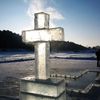 This day is called Epiphany Christmas Eve or the Great Last Evening of the Lord.
Preparation for the great Christian holidays, especially those included in the twelve, which include Baptism, is a very important part of the great sacrament, the threshold of it. Epiphany Christmas Eve is inseparable from Epiphany itself, since one smoothly flows into the other, between them there is a night vigil.
The name “Christmas Eve” comes from the main Christian dish eaten on the day of Christmas Eve - sochiva. The importance of the celebration of Epiphany is preceded by strict fasting, and only for sochik, made from wheat grains with honey, is there an exception. According to church rules, believers should refuse food until the candle is taken out after the sacrament of the consecration of baptismal water and the morning Liturgy.
In the old days, it was prepared in every home on Epiphany Eve; it was believed that whoever tasted it would taste peace and happiness. According to tradition, guests were not invited home on this day, and sochiv had to be treated to close relatives, so it was simply carried home as a wish for prosperity and peaceful skies.
Each housewife had her own recipe for making sochiva; some added nuts, others poppy seeds, raisins or seeds. It was impossible to refuse the offered treat on Epiphany Eve; refusal meant attracting misfortune, so everyone ate it, even if it was a small spoonful. Today very few people cook sochi, but this tradition has still been preserved.
Based on the weather on Epiphany Eve, the weather for the current harvest of the year was determined. Clear frosty weather foreshadowed crop failure and drought, gloomy stormy weather - a rich harvest, and if the night was starry - the forests would give a lot of berries.
From Christmas to Epiphany there are Christmastide, which ends on Epiphany Christmas Eve. Previously, unmarried girls used to tell fortunes about their betrothed on this day. There were many methods of fortune telling: they poured wax into water, looked for their betrothed in a gallery of mirrors, burned paper, in the hope of seeing signs for the future in the ashes.
Old women and young girls in the villages collected snow from stacks at night. Old women - to bleach canvas items, and girls - as a cosmetic product that can restore beauty and purity.
Many people put a dish of water on the table on Christmas Eve and watched. As soon as the water in the dish swayed, it was believed that the Baptism of Jesus had occurred, and prayers could begin. Those who saw the swaying water were considered lucky, and could ask for any desire in prayers. It was believed that these prayers freely penetrated to the Savior through the opening heavens.
Other holidays on 18 January
- Holidays of the Slavs - Intra (Patron of Snakes)
- Holidays of Russia - Birthday of children's television in Russia
- Russian Holidays - Day of Breaking the Siege of Leningrad
- Russian Holidays - Day of the Russian Air Force High Command
- Funny holidays - Snowman Day
- Funny Holidays - Day of Holiday Waiting
- According to the folk calendar - Epiphany Eve, Hungry Evening
- Funny holidays - Lighthouse Lighting Day
- Night of Raghaib among Muslims (Laylat al-Raghaib)
- Memorial Day of the Hieromartyr Theopemtos, Bishop of Nicomedia, and the Martyr Theon
- Memorial Day of Venerable Synclitia of Alexandria
- Memorial Day of Venerable Apollinaria
- Memorial Day of St. Gregory of Akrita