According to the folk calendar - Epiphany Eve, Hungry Evening
Celebrated on 18 JanuaryEpiphany Christmas Eve in the folk calendar is celebrated on the night of January 18 (January 5, old style).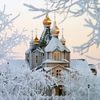 This date, according to Orthodox holidays, was considered the eve of the Epiphany, when Jesus Christ was baptized in the Jordan River.
According to tradition, people fasted and did not eat anything during the day, and when the first star lit up, they sat down at the table. First they took a sip of holy water, then began the meal. Dishes included sochivo (kutya) made from grains, honey, poppy seeds and nuts, as well as lean pancakes, dumplings and uzvar made from dried fruits. Because of the restraint in eating, the day was called Hungry Evening.
People believed that snow collected on Epiphany Eve had miraculous and healing properties. In the morning they went to the forest to fetch him and brought him in buckets. Melting snow was used in the treatment of various diseases, and was stored in a tightly closed container; it did not spoil for a long time. A handful of snow was thrown into the well so that the source would not dry up. Sometimes they washed their faces with it, wanting to stay young longer.
Epiphany Christmas Eve was considered a time of festivities for evil spirits. To prevent them from leaking into the house, housewives marked the doorposts and windows with chalk with a cross. If a person forgot to perform such a ritual, misfortune awaited him.
This evening was the last of a string of Christmas fortune telling. Wanting to know the name of the spouse, the youth asked the first person they met for the name - whichever one was called, that was how the betrothed was supposed to be called. The girls at the crossroads called for their future spouse - if they met a young man, it was a good omen, if they were older, it was the opposite. And in order to cleanse themselves with water from the sin of Christmas fortune-telling, people swam in the ice hole.
According to legends, it was forbidden to shed tears on this day, so as not to cry all year round. They avoided disputes and praise, did not remember the dead, otherwise they could attract trouble. The dreams I had on the evening of Epiphany Eve were prophetic. The peasants believed that the heavens were open for requests, and made a wish.
According to popular belief, if you noticed drifting snow, you would expect an excellent harvest in the field in the summer. The cloudy sky at night foreshadowed a modest mushroom picking. Clear stars meant that in the spring the river would overflow its banks. A lot of snow on the branches promised an abundant harvest of berries. The weather on Epiphany Eve indicated similar weather on Maslenitsa.
Other holidays on 18 January
- Orthodox holidays - Eve of the Epiphany (Epiphany Christmas Eve)
- Holidays of the Slavs - Intra (Patron of Snakes)
- Holidays of Russia - Birthday of children's television in Russia
- Russian Holidays - Day of Breaking the Siege of Leningrad
- Russian Holidays - Day of the Russian Air Force High Command
- Funny holidays - Snowman Day
- Funny Holidays - Day of Holiday Waiting
- Funny holidays - Lighthouse Lighting Day
- Night of Raghaib among Muslims (Laylat al-Raghaib)
- Memorial Day of the Hieromartyr Theopemtos, Bishop of Nicomedia, and the Martyr Theon
- Memorial Day of Venerable Synclitia of Alexandria
- Memorial Day of Venerable Apollinaria
- Memorial Day of St. Gregory of Akrita