Autumnal Equinox (Fall Equinox)
Celebrated on 23 SeptemberThe autumnal equinox is celebrated annually on September 22 or 23.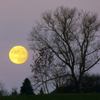 The date is significant from a historical perspective and refers to one of the most ancient holidays of the Slavs. The day of the autumn equinox played an equally important role in the lives of other peoples of the world. Gratitude to the earth for a bountiful harvest, the meeting of summer and winter, the transformation of light and darkness - all this has to do with Fall Equinox.
On September 22-23, Druids gather at Stonehenge, whose megaliths were erected for astronomical measurements. The British authorities allow supporters of pagan teachings to hold entire festivals there. Among the ancient Celts, the autumn day of Mabon, when the light and dark parts of the day are almost equal, was considered a holiday for the ripening of apples and the harvest of the second harvest. The German beer festival Oktoberfest takes its origins from it. In the Land of the Rising Sun, the day of the autumn equinox, according to Buddhist tradition, called Higan, is a public holiday. In Japan, celebrations involve honoring the dead, visiting their graves, and offering food to the dead.
Part of the pyramids of Mexico was built taking into account the incidence of the sun's rays on their steps on the days of the spring and autumn equinox. On these dates, at 12.00, glare appears on the structure in Chechen Itza, which forms the image of Kukulkan - the Feathered Serpent, one of the most ancient deities of Mayan mythology. There is a belief that if you climb to the top of this 24 m high pyramid in the city of El Castillo and make a wish, it will certainly come true.
Other ancient historical buildings are also oriented to the cardinal points. Thus, twice a year in Strasbourg, France, on the days of the spring and autumn equinox, a ray of sun falls from the stained glass window with the image of Judas in the Cathedral on the statue of Jesus Christ.
From September 22 or 23, depending on whether the year is a leap year or not, the Slavs began a month dedicated to the god Veles. 7 days before and 7 days after this date, folk festivals were held. It was believed that water these days has magical properties - it gives health and beauty if you wash your face with it more often. Orthodoxy replaced the ancient Slavic holiday with a Christian one - the Nativity of the Virgin Mary. However, the traditions of protecting a house from evil spirits with plucked rowan trees and predicting the weather on this day using folk signs have a more ancient history. At this time, weddings were celebrated and fraternities - meetings of men - were held. On the autumn equinox, they baked pies with rowan berries and cabbage and served this treat to guests at home. A loaf and an ear of grain - symbols of fertility - occupied a place of honor on the table of our ancestors.
The autumn equinox is one of the sacred points of the year. It symbolizes the transformation of space and the transition to a new life according to the astrological calendar. Remembering their ancestors and their customs, many peoples of the world pay tribute to ancient traditions and widely celebrate the Autumn Equinox.
Other holidays on 23 September
- International Day of Sign Languages
- Chewing gum birthday
- Birthday of the Yandex search engine
- Education Technology Day
- Mabon among the Gentiles (Mabon)
- International Rabbit Day
- National Hunting and Fishing Day
- Day of School Failure Prevention
- Day of Information Units of the Ministry of Internal Affairs of the Russian Federation
- State Language Day in Kyrgyzstan
- Holiday of Sedeh in Zoroastrianism
- National Day of Remembrance for the Victims of the Genocide in Lithuania (Holocaust Memorial Day)
- National Dogs in Politics Day
- National Ice Cream Day in Brazil
- According to the folk calendar - Peter and Pavel Ryabinnik
- Autumn Equinox in Japan (Shu-bun-no Hi)
- Memorial Day of St. Paul of Pechersk, the Obedient
- Cathedral of Lipetsk Saints
- Memorial Day of the Holy Virgins Minodora, Metrodora and Nymphodora