Alpaca Day
Celebrated on 10 SeptemberThe Indians of South America domesticated the animal of the camelid family about 6 thousand years ago.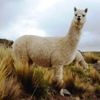 The alpaca lives in the Andes in Peru, northern Chile, western Bolivia, Ecuador and Argentina. The docile animal is valued for its soft and warm wool, which is used to make clothes, bedspreads, carpets, blankets and other textiles. The alpaca population is declining due to hunting. A holiday was established to draw attention to the problem of uncontrolled destruction of wild animals. Alpaca Day is celebrated on September 10th.
Yarn made from artiodactyl wool is considered one of the most valuable and of higher quality than sheep. It is waterproof, soft texture and light weight. Alpaca yarn is pleasant to the touch and does not cause allergies, and wool products have a long service life.
The weight of an adult reaches 70 kg. On a day, an alpaca should eat grass equal to 1-2% of its own weight, i.e. about 27 kg. The animal produces from 3 to 6 kg of wool per year, which after processing is reduced to 1-3 kg of yarn. The thinnest and highest quality is obtained from the sides and back. Farmers breed two breeds of alpaca - Suri, with wool in the form of braids, and Huacaya, with hair reminiscent of plush. Most of the artiodactyls, about 3 million individuals, live in the mountains of Peru.
Due to the alpaca's good adaptation to various climatic conditions, today it is bred in New Zealand and the UK, Germany and Russia. Camels' closest relatives have a calm and friendly disposition, so they get along well with other animals. They are happy to help herdsmen graze flocks of sheep and play with children.
Alpacas are often confused with llamas. However, despite their external similarities, they have significant differences in behavior. Llama, another member of the camelid family, may kick or spit at a person for no reason. Like peaceful horses, friendly alpacas are used to treat mental disorders, autism and Down syndrome in children. Communication with artiodactyls helps adults recover from anorexia, alcoholism and drug addiction.
For the ancient Indians, alpaca wool served as currency. The Incas made clothes from skin, manure was considered a valuable fuel, and animal meat was very rarely eaten. Today, alpacas are farmed to collect their wool to make yarn. On average, Vicugna pacos, a distant ancestor of the vicuña, lives for 25 years. Alpaca wool under the age of 10 years is particularly soft and silky - it is used for the production of clothing. The coarse yarn obtained after shearing older individuals is used to make rugs and carpets.
Natural enemies of friendly and calm animals include cougars, coyotes, leopards and jaguars. The population is still large, so alpacas are not listed in the Red Book. However, in Peru there is uncontrolled hunting, which threatens the habitat of animals in natural conditions. Alpaca Day calls on the public to pay attention to the need to protect alpacas and their habitats.
Other holidays on 10 September
- Tankman Day in Russia
- Remembrance Day for Victims of Fascism
- International Makeup Day
- World Suicide Prevention Day
- Sniffer's Day
- Port Wine Day
- Day of colorful bouquets
- World Crane Day
- Tankman Day in Belarus
- Family Day in Kazakhstan
- Day of workers of the oil, gas and oil refining industries of Ukraine
- Teacher's Day in China
- National Grandparents Day in Canada
- Holiday of Ksharta-Varya in Zoroastrianism
- According to the folk calendar - Anna and Savva Skirdniks
- Discovery of the relics of St. Job of Pochaev
- Memorial Day of St. Moses Murin
- Memorial Day of St. Savva of Krypetsky, Pskov
- Cathedral of the Reverend Fathers of Kiev-Pechersk, resting in the Far Caves