Estonian holidays - Day of the conclusion of the Tartu Treaty (Tartu rahu aastapaeva)
Celebrated on 2 FebruaryThe First World War claimed millions of lives, but for the small country of Estonia it became the beginning of a new history.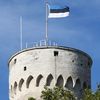 On February 2, 1920, a fateful agreement was signed in the city of Tartu, as a result of which the independent state of Estonia appeared on the world map. Modern Estonia remembers this memorable day, so every year a holiday is held in honor of the signing of this important political document - the Day of Signing of the Tartu Treaty.
The signing of the agreement was preceded by a number of events that took place in Tartu, namely: • occupation of Tartu from February 1918 to November 1918; • occupation by Soviet troops from December 1918 to January 1919; • liberation of Tartu by the Estonian army in January 1919
The first attempt to conclude a peace agreement took place on December 4, 1919. In Tartu, on the street. Aya, No. 5 (the new name of Vanemuise street) representatives of both countries gathered. Representatives of Estonia were Jaan Poska, Mait Puaman, Ants Piip, Major General Ants Soots, and the Soviet delegation was headed by the famous Bolshevik L. Krasin, who was later replaced by A. Joffe.
The Bolsheviks agreed to recognize the independence of Estonia already at that time, but the parties could not agree at that time, since they demanded from the Estonians the dissolution of the North-Western Army and, in addition to this, guarantees that Estonia would close its borders to troops hostile to the Bolsheviks. Later, the delegation met several more times to discuss the borders of both states, guarantees, and economic issues. It all ended on February 2, when, at almost one in the morning, an important state document was finally signed, according to which Bolshevik Russia did not lay claim to Estonian territory and did not interfere in the political and economic life of the state.
The Treaty of Tartu became the first peace agreement concluded with the Bolsheviks in world history, and for the Estonians themselves it became an “entrance ticket” to a new life. Today, that historical day is celebrated in the country by hanging national flags on the facades of municipal buildings and residential buildings; in addition, commemorative events and festive concerts are held throughout the country.
Other holidays on 2 February
- Russian Military Glory Day - Victory Day in the Battle of Stalingrad (1943)
- International holidays - World Wetlands Day
- US Holidays - Groundhog Day
- Fun Holidays - Self Renewal Day
- Funny holidays - Y Day
- Funny Holidays - Hedgehog Day
- International holidays - Sled Dog Day
- International holidays - Rheumatoid Arthritis Awareness Day
- International holidays - World Ukulele Day
- Catholic holidays - Presentation of the Lord among Western Christians (Candlemas)
- Holidays of Azerbaijan - Youth Day
- According to the folk calendar - Efimov's day
- Memorial Day of St. Euthymius the Great
- Memorial Day of St. Euthymius of Syangzhemsky