Japan Holidays - Emperor's Birthday
Celebrated on 23 FebruaryThe monarchy in Japan was destroyed and recreated during the US occupation as a result of World War II.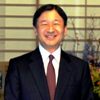 The country's surrender in September 1945 and the truce with America, signed by Emperor Hirohito, was a collapse for the citizens of the Land of the Rising Sun. A radical transformation took place in Japanese society - the head of state renounced claims to divinity, losing nominal power.
The later restored monarchy, considered the world's oldest and continuously hereditary, is very different from the pre-war one. The influence of the emperor, who, like his ancestors, is considered a descendant of the sun goddess Amaterasu, on the people decreased. So, if before the truce with the United States the monarch had ordered his subjects to rip open their bellies, they would have done it without hesitation. However, the cult of the Shinto high priest remained. Today, Japan is ruled by Naruhito, who took over from his father Akihito in April 2019.
The 126th Emperor was born in Tokyo on February 23, 1960. The motto of his reign, which marked the beginning of the Reiwa era, is the hieroglyphs denoting good luck, prosperity and peace. Residents of the Land of the Rising Sun treat the head of state with love and respect. Therefore, February 23 is celebrated as the Birthday of the Emperor of Japan (Tanjobi).
In honor of the holiday, crowds of citizens and tourists flock to Tokyo's Chieda district. There, on the balcony of the palace, the ancient Edo Castle, they are met by the emperor and members of his family. Within a few minutes they greet their arriving subjects. In response, the Japanese wave national flags, which are distributed at the entrance to the square.
Naruhito, like his predecessors, is a symbol of the state and the unity of the nation, and therefore is deeply revered by the people. In addition, February 23 is an official holiday and a day off, which is very popular among working Japanese. After the end of the audience, people leave the palace square, which is open to access twice a year on special occasions. They are the Emperor's Birthday and January 2 - the beginning of the New Year.
The representative of the Japanese monarchy has power in the country only nominally, since political decisions are made by parliament and the prime minister. But the emperor is the spiritual leader of the nation and its cultural symbol. He often travels abroad to establish diplomatic and friendly relations with other states, thus working to create a favorable image for the country. Paying tribute to his activities for the benefit of the state and people, Japan annually celebrates the Emperor's Birthday.
Other holidays on 23 February
- Russian holidays - Defender of the Fatherland Day (Victory Day of the Red Army over the Kaiser's troops of Germany 1918) congratulate →
- Fun Holidays - Pillow Fight Day
- International holidays - Diesel Engine Day
- Holidays of the Slavs - Dida Day (Slavic day of remembrance of male relatives)
- Holidays of Belarus - Day of Defenders of the Fatherland and Armed Forces of the Republic of Belarus
- Holidays of Kyrgyzstan - Defender of the Fatherland Day in Kyrgyzstan
- International holidays - World Understanding and Peace Day
- Fun Holidays - International Dog Biscuit Appreciation Day
- According to the folk calendar - Prokhor Vesnovey, Kharlampy
- International STAND UP to Bullying Day
- Purim-katan (Small Purim) among the Jews
- Memorial Day of St. Prokhor Lebednik
- Memorial Day of Righteous Galina
- Feast of the Icon of the Mother of God “Fire-shaped”
- Cathedral of Saints of Novgorod
- Memorial Day of the Hieromartyr Charalampios of Magnesia