Holidays in Sri Lanka - Sri Lanka Independence Day
Celebrated on 4 FebruaryCeylon was for a long time a colony of Portugal and Holland, and from 1815 to 1948 - of Great Britain.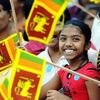 The history of Sri Lanka began in the 5th century. BC. with the migration of the Sinhalese, one of the Indo-Aryan peoples, to the southeastern coast of the Hindustan Peninsula. An integral part of their culture was Buddhism, which today is professed by more than 70% of the country's population.
In the 12th century. Tamils settled in the north of the Kingdom of Sri Lanka and, together with the Sinhalese and Muslims, took part in the liberation of the state from 443 years of colonial rule. England began to take its first steps towards granting self-government to the island during the Second World War. In 1847, Ceylon was declared a dominion - a state within the British Empire, recognizing the dominance of its monarch. In 1948, the island ceased to be subordinate to the metropolis, although it remained in the Commonwealth of Nations. In honor of the country's liberation from colonial rule, Sri Lanka Independence Day is celebrated annually on February 4th.
Ceylon's path to freedom was long and thorny. From 1551 it was under the rule of the Portuguese, giving them cinnamon as tribute. Before the colonization of the island, supplies of this spice to Europe were considered a monopoly of the Arabs. From 1658 it began to be controlled by Dutch conquerors. The Ceylonese states of Kotte, Jaffna and Sitawaka were the first to fall under the rule of the colonists. The most desperate resistance was provided by Kandy, located in the central part of the island. But this state, after the war of 1760, was forced to recognize Dutch sovereignty throughout Sri Lanka.
The arrival of the British in 1815 met with almost no resistance from King Sri Vikram Rajasingha, who ruled Ceylon at that time, and his subjects. The British established giant coffee plantations in the colony, which were later replaced by tea, and grew rubber and coconuts. The metropolis began to collect land taxes from peasants in cash, which led to a drop in rice production. The death of coffee plantations in the 1870s caused the impoverishment of the rural population of Sri Lanka.
The British administration selectively supported the religious communities of the metropolis, which caused clashes between Sinhalese Buddhists and Tamil Hindus. Ethnic and inter-religious confrontation, and other consequences of colonial rule led to an increase in the national self-awareness of the population. Residents of the island began to persistently demand self-government, and in 1947 the Act of Independence of Ceylon was signed. Thus, after hundreds of years of oppression, the Democratic Socialist Republic of Sri Lanka appeared on the map.
In honor of Sri Lanka Independence Day, private and public institutions of the country are decorated with pennants, lights and national flags. All festive events begin with the singing of the national anthem Jayamangala Ghata. On the waterfront of Colombo, the largest city in Sri Lanka, a parade of all branches of the air force takes place. In honor of the holiday, exhibitions are held, concerts and special religious ceremonies are held, during which people pray for peace and prosperity of the state.
Other holidays on 4 February
- UN Holidays - World Cancer Day
- International holidays - Birthday of rubber galoshes
- US Holidays - National Homemade Soup Day
- UN Holidays - International Day of Human Fraternity
- Funny holidays - Day of Wonderful Eccentrics
- Funny holidays - Holiday of good mood
- Fun Holidays - Neanderthal Day
- Holidays of Armenia - Day of St. Sarkis (patron saint of lovers)
- French Holidays - Toulouse Violet Festival
- Angola Holidays - Armed Struggle Day (Liberation Movement Day)
- According to the folk calendar - Timofey's day (Timofey-half-winter)
- Dump Your Significant Jerk Day
- Memorial Day of St. Apostle Timothy
- Memorial Day of St. Macarius of Zhabynsk, Belevsky Wonderworker
- Memorial Day of the Venerable Martyr Anastasius the Persian
- Council of New Martyrs and Confessors of the Russian Church