Holidays of Georgia - Ninooba - Day of the blessed death of St. Nino in Georgia
Celebrated on 27 JanuaryIn Transcaucasia, the first country to adopt Christianity was Armenia.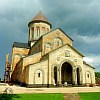 This happened in 301. In the same IV century. The religion of Jesus Christ came to Georgia thanks to Saint Nino. A girl from a family of clergy, born in Cappadocia, spent her youth in Jerusalem. In 319, she came to Iveria (present-day Georgia) after seeing the Virgin Mary in a dream. Our Lady encouraged Nino to start preaching Christianity. January 1, the day of the arrival of the enlightener in Mtskheta, is solemnly celebrated by the local Orthodox Church. The second no less significant holiday is the Day of the Blessed Death of St. Nino.
The heavenly patroness of Georgia is commemorated on January 27 during religious services in all churches in the country. In honor of Equal-to-the-Apostles Nino, 5 churches were built in Tbilisi alone. They celebrate the holiday especially solemnly. A vine cross entwined with the saint's hair is kept in the Zion Cathedral in Tbilisi. Ninooba is a holiday that unites Georgians not only on the days of the arrival of the enlightener Nino and her death. Every year a group of children and teenagers makes a pilgrimage to the places visited by the ascetic after coming to Iberia back in 319.
Saint Nino is known not only for baptizing Georgia. Her prayers contributed to the healing of people. Nino restored sight to King Mirian, who ruled the country at that time, who was blinded by a thunderstorm during a hunt. The saint also brought his wife Nana to her feet, who, after the miracle of healing, believed in Christ. The righteous woman through prayer helped Anastasia, the wife of the royal gardener, to recover from infertility. Having learned about Nino’s miraculous power, sufferers from all over Georgia began to flock to her.
After the royal family and their relatives were baptized in the Aragvi River, Christianity began to actively spread throughout the country. And in 324 it became the official religion of Iberia. However, its mountainous regions remained unenlightened for a long time. Therefore, Nino went to the upper reaches of the Aragvi and Iori rivers with sermons. From there her path lay east, to Kakheti. While living there, Nino prayed tirelessly, converting the local residents to Christianity.
When the mission in Georgia was completed, the saint received a sign of her imminent death. On the eve of her death, she spoke in detail about her apostolic exploits to her disciples. One of them, Seraphima of Ujarma, recorded the stories of the ascetic, which became the basis of the Life of St. Nino. In 335, at the age of 67, the heart of the heavenly patroness of Georgia, after 35 years of apostolic exploits, stopped beating. Nino's body was buried in Bodbe, a village in Kakheti. At the burial site in 334, King Mirian founded a temple in honor of Gregory the Victorious, a relative of Nino. Today it houses a convent.
Hundreds of years after her repose, the relics of the preacher heal the suffering, as Nino did during her lifetime, and show other miracles to believers. The Church canonized the righteous woman and equated her with the apostles of Christ. The day of the blessed death of St. Nino is a major public holiday, during which tribute and respect are paid to the heavenly patroness of Georgia.
Other holidays on 27 January
- Day of Military Glory of Russia - Day of complete liberation of the city of Leningrad from the siege by Soviet troops
- UN holidays - International Holocaust Remembrance Day
- Funny holidays - Cheerful Day
- Iceland Holidays - Sun Coffee Day
- Holidays in Serbia - Savindan - St. Sava Day, Spirituality Day, School Day
- Holidays of Russia - Press Day of the Ministry of Internal Affairs of Russia
- According to the folk calendar - "Nina - rites of cattle"
- Funny holidays - International Port Wine Day
- Day of Saint Sarkis (patron saint of lovers) in Armenia
- Memorial Day of Equal-to-the-Apostles Nina, enlightener of Georgia
- Memorial Day of the Sinai and Raifa Saints