According to the folk calendar - Vasiliev's Day
Celebrated on 14 JanuaryAccording to the folk calendar, Vasiliev Day is celebrated on January 14th.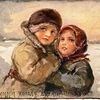 Before the introduction of the Gregorian calendar in our area, this date fell on January 1 according to the old style, and the holiday was considered the New Year. Popularly, the day received its name from the church date of veneration of St. Basil the Great, a Christian preacher in the 4th century. On Vasily’s Day, people visited each other for gatherings and congratulated them on the New Year. They set a generous table so that the New Year would pass in abundance. Among the dishes were baked pork, sausages, dumplings, kutya, cabbage rolls, pies, beer and wine. There were no poultry or fish dishes so that luck would not fly away and float away from the house.
Young people gathered in groups in the evenings, boys and girls joked, played and looked for a mate. The girls were engaged in fortune-telling in the name of the betrothed, the guys were telling fortunes about the character and appearance of the betrothed. Children ran around neighbors' yards and sang carols. The songs wished good health to the household and a rich life. The owners thanked the children with goodies.
Christmastide consisted of 12 days, symbolizing 12 months, and was divided into two periods. The first is the week of holy evenings after Christmas, the second is the week of terrible evenings from St. Basil's Day to Epiphany. They believed that on terrible evenings all the evil spirits came out to the earth to harm people. Therefore, they tried to deceive her in every possible way, dressing up as mummers.
Mummering was another fun pastime for young people. Usually they dressed up as a goat, a bear, or a wolf: they put an inverted sheep's coat on their back, smeared their faces with soot, attached horns or ears to their heads, glued a mustache under their nose, and walked hunched over. The point of dressing up is to become unrecognizable. They ran into the house, shouted, scared the children, and the owners had to guess who was hidden under the mask, then the exposed mummer took off the suit.
On Vasiliev’s Day there was a ritual called “oats”. The children ran home, scattered oats from their pockets around the room, singing the sowing song to the owners, and blessed them for a good harvest. Housewives collected the scattered grain and stored it until sowing. The faster the grain was harvested, the better the field will produce.
According to the signs on Vasiliev's Day, people judged the future. If a man entered the house first, then happiness will happen, if a woman - there will be trouble. If there were large bills in the wallet, then the year should have passed in wealth. If fog was noticed, they believed that the summer harvest would be excellent. Snow covering the fields meant an abundance of grain in storage, and a snowstorm foreshadowed a large harvest of nuts.
Other holidays on 14 January
- International holidays - Old New Year (Orthodox New Year) congratulate →
- Russian Holidays - Day of the Russian Pipeline Troops
- Russian Holidays - Folk Healer Day
- Holidays of Russia - Birthday of the Moscow region
- International Holidays - Feast of the Ass
- International holidays - World Logic Day
- Fun Holidays - Organize Your Home Day
- Funny holidays - Snow White Birds Day
- Holidays of Russia - Day of celebration of the anniversary of the creation of the Military Band Service of the RF Armed Forces
- Indian Holidays - International Kite Festival
- Holidays of Uzbekistan - Day of Defenders of the Motherland
- Tunisia Holidays - Revolution and Youth Day
- Indian Holidays - Pongal - Harvest Festival (Pongal)
- Circumcision of the Lord
- Saint Basil the Great Day
- Memorial Day of the Holy Martyr Basil of Ancyra of Caesarea