Family and Mother in Birth among the Slavs
Celebrated on 21 SeptemberAccording to the new style, on September 21 (Versen), the ancient Slavs honored Rod and the women in labor who accompanied him.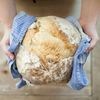 Unfortunately, information about this pagan holiday varies greatly, because for a long time they tried to eradicate it. This day of honoring the Family is sometimes called the birth meal - a holiday celebrated by the Slavs not only in the fall, but also on the day after Christmas.
The clan is the single creator, the progenitor of all Slavs. Some researchers of Slavic mythology consider him the god of fertility. However, it is generally accepted to consider him a common Slavic god of family and fate. Women in labor, or women in labor, are creatures that determine the future fate of the newborn. Some believe that there were three of them: Lada, Makosh and Lelya. Someone mentions only the Elder woman in labor (mother) and the Younger woman (daughter). Some sources indicate their names: Share and Nedolya. Among the southern Slavs they were called Sudzhenitsy; these characters told fortunes or gave a gift that would later play a fatal role in the fate of the baby. The image of the woman in labor, revered by all Slavic women, was later supplanted by the image of the Virgin Mary. Representatives of Orthodoxy oppose the veneration of these creatures.
This holiday occurred at the end of the harvest, because according to some versions, Lelya and Lada are goddesses of the harvest. The clan and women in labor were offered sacrifices at the sanctuaries. A special meal was prepared for them. It consisted of porridge prepared from various cereals and freshly baked bread, cheese, cottage cheese and honey. If offerings were usually made to the other gods secretly, then to Rod and women in labor they were presented noisily, by the whole family or clan. During this process, mercy was asked for the family. On this day, mothers performed special rituals on their children to protect them from failure and illness. Young people went out to games and festivities, and danced in circles. A woman, who enjoyed special honor and respect, was seated in the center of the round dance; she held oatmeal bread in her hands. After dancing and singing, she broke it and gave it to everyone. These pieces of bread were considered healing.
Over time, the cult of the Family and women in labor was forgotten, the great god of the family began to be perceived as a spirit guarding family peace and harmony. Researchers note that for a long time Christians systematically destroyed all references to Rod, because, in their opinion, the father of all living things is God.
Other holidays on 21 September
- Nativity of the Blessed Virgin Mary among the Orthodox
- Collector's Day in Russia
- World Day of Russian Unity
- Day of Military Glory of Russia - Victory Day of Russian regiments in the Battle of Kulikovo (1380)
- International Day of Peace
- World Alzheimer's Day
- Day of the birth of Russian statehood
- Pause the World Day
- World Gratitude Day
- Zero Emission Day
- Week of the Global Action “We Clean the World” (“Let’s clear the planet of garbage”)
- Armenian Independence Day
- According to the folk calendar - Ospozhinki, Little Most Pure, Nativity of the Virgin Mary
- Nativity of the Blessed Virgin Mary
- Feast of the Icon of the Mother of God Bread (Zapechnaya)
- Feast of the Icon of the Mother of God of Domnitskaya