According to the folk calendar - Willow-Bearer, Spring Solstice
Celebrated on 21 MarchOn March 21 (March 8, old style), according to the folk calendar, the Spring Solstice, Verbonositsa, is celebrated.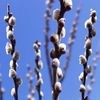 This holiday is dedicated to the cycle of the sun, when daylight equals night and continues to increase every day until the summer solstice.
Since paganism, the sun has been revered on this day. He was considered the main deity because he gave light and warmth to living beings. Various rituals were performed on the Spring Solstice. The peasants lit huge fires on the hill, jumped over them and danced in circles. They believed that this gave residents solar energy, health and longevity.
The day was popularly considered the beginning of natural spring. The snow was already melting from the ground, migratory birds were returning en masse to their former habitats, and the first blossoms were beginning. In honor of the holiday, women sculpted birds from sweet dough and baked them in the oven. Then the children were treated to cookies, and they threw them into the sky and caught them. Such a ritual brought prosperity and health to the family.
At the Spring Solstice, it was customary to draw symbols of fertility and new life on eggs: the earth, trees, sun, birds. A special amulet was prepared from painted eggs.
Another day they called it the Verbosnitsa, since by this time the silver willow was blooming. Young girls went into the forest and broke its branches, and then carried them home and placed them near the icons. If the willow produced a leaf on Palm Sunday, happiness awaited the family.
Illuminated willow branches had magical properties. They were used to ward off evil spirits and various diseases. Witches cured diseases in children by reading a spell and symbolically lashing them with willow branches. The owners easily beat their livestock with willow, thus fighting off diseases. In order to get rid of evil spirits in the house, they fanned the walls and swept the floor with a willow broom, and the collected garbage was burned away from the home.
Dried willow was used as medicine. They insisted on the bark and rinsed the mouth with it if their teeth or throat hurt. In crushed form, it was sprinkled on a bleeding wound to stop the bleeding. It was also used instead of tea and added to herbal preparations.
If you noticed the flowering of willows and the arrival of larks on Verbonositsa, you prepared for the warm spring season. Birds nesting in sunny places meant cool summers. A cloudy day promised a cold summer with frequent precipitation, a sunny day promised a hot summer. The fog foreshadowed a slight frost at night.
Other holidays on 21 March
- International holidays - World Poetry Day
- International holidays - International Day of Puppetry (International Day of Puppetry)
- UN Holidays - International Day of Forests
- UN Holidays - International Day of Navruz (Navruz)
- UN Holidays - World Down Syndrome Day
- UN Holidays - International Day for the Elimination of Racial Discrimination
- International holidays - International Color Day
- International holidays - European Day of Early Music
- International holidays - World Wood Day
- International holidays - Education Freedom Day
- UN Holidays - Week of Solidarity with Peoples Fighting Against Racism and Racial Discrimination
- Holidays of Georgia - Border Guard Day
- International holidays - Mother's Day in Arab countries
- Fun Holidays - World Home Economics Day
- Italian Holidays - Tree Day
- Absolutely Incredible Kids Day
- Memorial Day of the Venerable Lazarus and Athanasius of Murmansk
- Memorial Day of St. Theophylact the Confessor
- Feast of the Icon of the Mother of God “The Sign” Kursk-Root